11 Aug 2026
Tracing Reward Program Connectivity in Regulated UK Gaming Venues
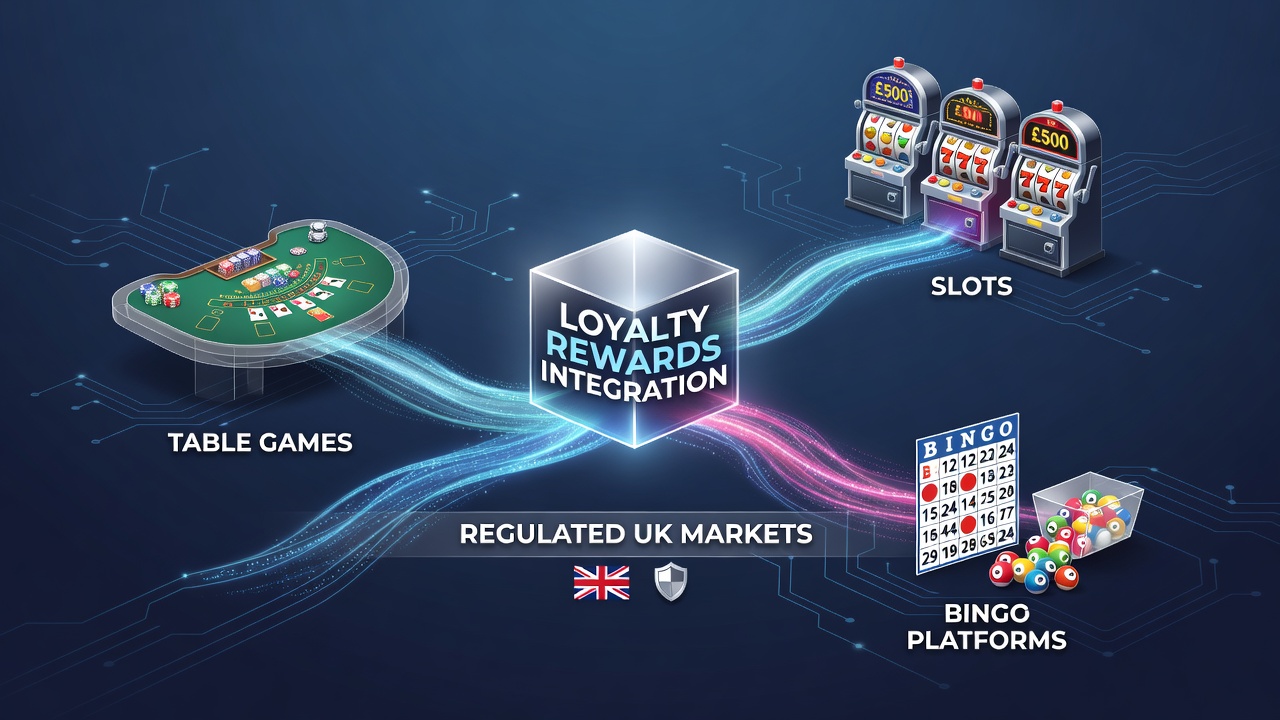
Operators in regulated UK markets have developed systems that allow players to accumulate and redeem loyalty rewards consistently whether they engage with table games, slots or bingo platforms, and these integrations rely on centralized player accounts that track activity across multiple formats. Data from industry reports indicate that such connectivity reduces fragmentation while maintaining compliance with regional standards set by various oversight bodies.
Core Mechanics of Cross-Platform Reward Tracking
Centralized databases record every wager placed on table games like blackjack and roulette, on slots with varying reel structures, and on bingo sessions that feature different ticket denominations, then convert those wagers into points using formulas that adjust for game volatility and house edge. Researchers at academic institutions have noted that these formulas often apply multipliers during promotional periods, which encourages continued play without altering the underlying random number generation certified by testing laboratories.
Slots typically award points at a fixed rate per coin wagered, whereas table games may scale points according to average bet size and session length, and bingo platforms factor in both ticket purchases and additional side bets. The result is a unified balance that players access through a single dashboard, and this approach appears in multiple operator networks that operate under licenses from authorities outside the primary UK framework, including those referenced in Nevada Gaming Control Board documentation on multi-jurisdictional player tracking.
Technical Infrastructure Supporting Unified Accounts
Application programming interfaces link separate game servers to a shared loyalty engine, which updates point totals in real time and applies tiered benefits such as cashback percentages or exclusive tournament entries once thresholds are reached. Observers note that these interfaces must handle peak loads during evening hours when bingo rooms and slot lobbies experience simultaneous high traffic, yet maintain sub-second response times for balance queries.
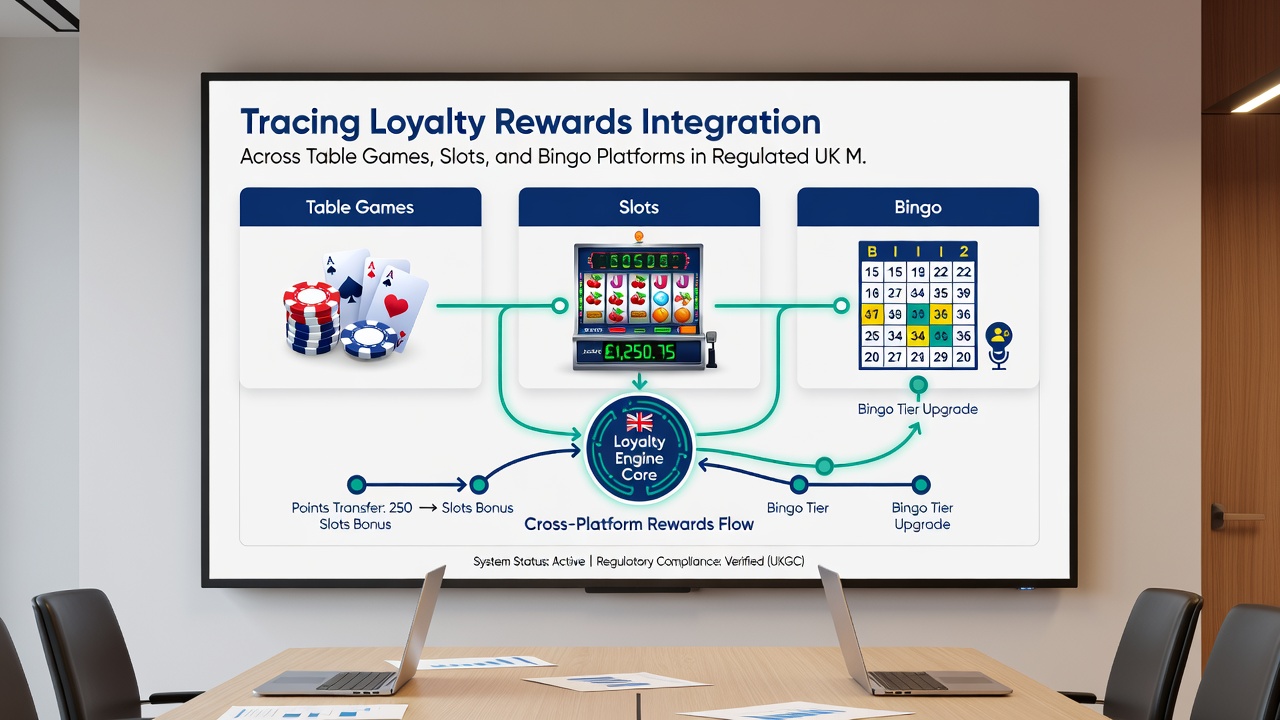
Encryption protocols protect transaction logs that feed into these systems, and regular audits by independent firms verify that point calculations remain consistent across game types. European regulatory examples, such as those published by the Malta Gaming Authority, illustrate similar architectures used by operators serving UK players, demonstrating that cross-border data standards can align without compromising local rules.
Player Journey Across Game Categories
A typical session might begin with bingo tickets purchased through a mobile app, continue with spins on video slots, and conclude at virtual tables where card outcomes determine additional point bonuses. Each segment contributes to the same loyalty meter, which in turn unlocks personalized offers that reflect the player's overall volume rather than isolated activity in one category. Studies from research institutions show that this holistic view correlates with longer average session durations, because players perceive greater value when progress carries over between formats.
Seasonal campaigns scheduled around major sporting events or holiday periods often feature accelerated earning rates on specific platforms, yet the accumulated rewards remain redeemable anywhere within the operator's portfolio. Those who have examined transaction volumes report that bingo players frequently transition to slots during quieter intervals between draws, while table game enthusiasts sometimes participate in bingo promotions to maintain point momentum.
Regulatory Context and Compliance Measures
Frameworks in place across UK markets require operators to separate gambling funds from loyalty liabilities and to provide clear statements on how points convert to monetary or non-monetary benefits. Documentation from Australian state regulators highlights comparable requirements for transparent point valuation, offering a reference point for UK operators seeking to harmonize practices. Audits focus on ensuring that reward structures do not inadvertently encourage excessive play, which involves reviewing the distribution of points across demographic segments and game types.
Updates to these systems continue into 2026, with several networks planning enhancements that incorporate real-time risk indicators derived from cross-platform behavior patterns. Such developments aim to support responsible gambling tools while preserving the seamless experience players have come to expect when moving between table games, slots and bingo.
Conclusion
Integration of loyalty rewards across table games, slots and bingo platforms in regulated UK markets rests on shared databases, standardized point formulas and secure data exchanges that function under multiple layers of oversight. Evidence from regulatory filings and technical studies confirms that these structures deliver consistent player progress tracking while meeting compliance obligations drawn from diverse international sources. Continued refinement of these systems reflects ongoing adaptation to both technological capabilities and regulatory expectations.