Scratchcards' Hidden Odds: RTP Breakdowns and Win Rates on UK Platforms
30 Mar 2026
Scratchcards' Hidden Odds: RTP Breakdowns and Win Rates on UK Platforms
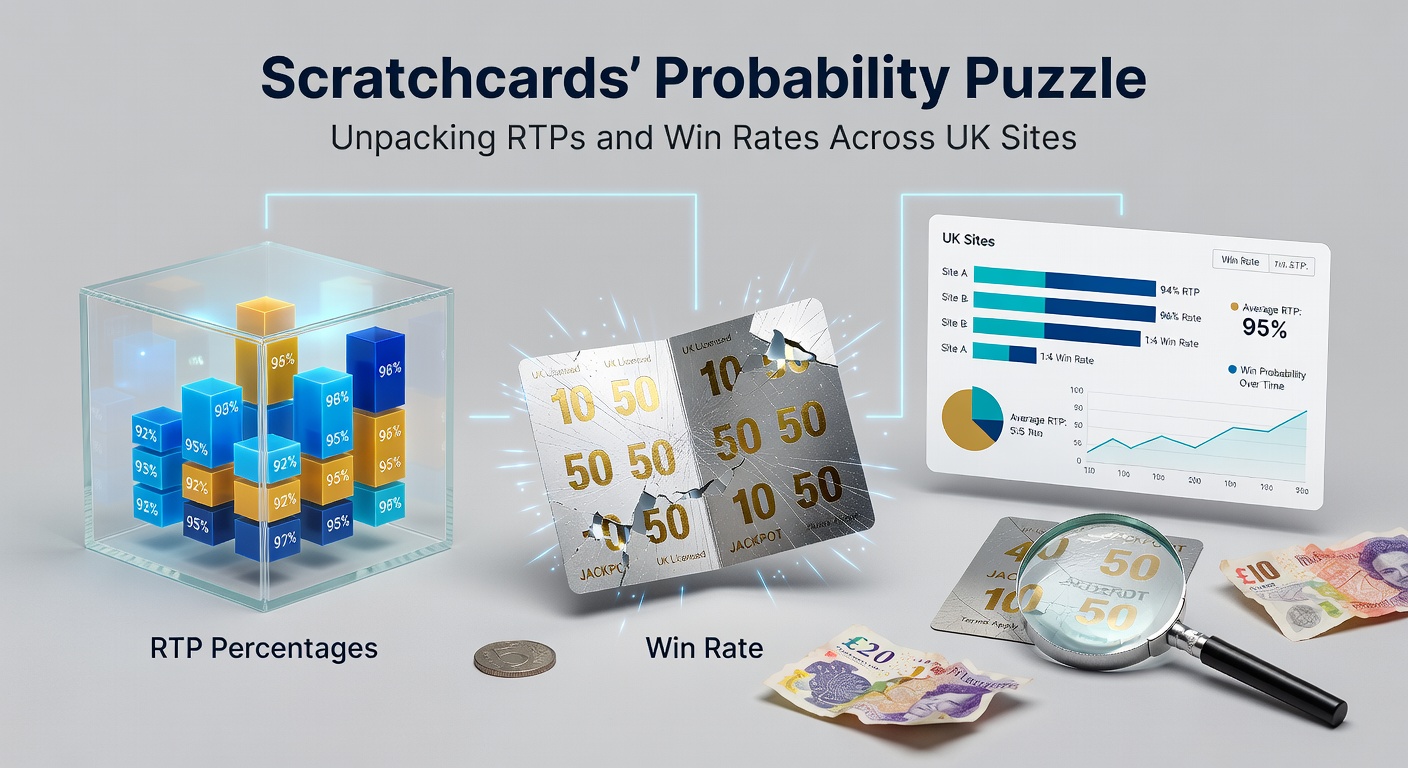
What Makes Scratchcards Tick: The Basics of Probability and Payouts
Scratchcards, those quick-hit games where players uncover symbols for instant rewards, rely on fixed probabilities baked into their design; developers set odds long before the first virtual scratch happens, and understanding this core math reveals why wins feel both thrilling and elusive. Data from industry audits shows typical top prizes hit once every few million plays, while smaller payouts cluster more frequently to keep engagement high, creating that addictive pull even as house edges hold firm.
Turns out, the probability puzzle centers on random number generators (RNGs) certified to ensure fairness; each card's outcome gets determined upfront, not dynamically, so every ticket carries identical chances regardless of timing or sequence. Experts who've dissected game files note how symbol distributions tilt toward losses—say, nine losers for every big win tier—yet clever visuals mask this, fooling players into chasing patterns that don't exist. And here's where it gets interesting: as of March 2026, updated testing protocols from bodies like the Malta Gaming Authority demand transparent RTP disclosures, pushing UK platforms to list these figures prominently.
People often overlook how scratchcard RTPs—Return to Player percentages—hover lower than slots or table games; figures reveal averages around 65-85%, meaning platforms retain 15-35% over time, a stark contrast to blackjack's near-100% potential with perfect play. One study from gaming researchers highlighted this gap, showing scratchcards' fixed nature caps long-term returns more rigidly than variable-volatility slots.
Cracking RTP Numbers: How They Vary Across Popular UK Sites
UK platforms host dozens of scratchcard variants, from branded themes to classics like "Cash Blox," and RTPs differ noticeably between providers; Pragmatic Play titles often clock 70-75%, while NetEnt pushes toward 80% on select games, according to aggregated audit data from early 2026. Take one operator like a mid-tier site offering "Lucky Numbers"—its RTP lands at 72.5%, with win rates showing 1-in-4 cards paying something, but top jackpots elude 99.99% of spins.
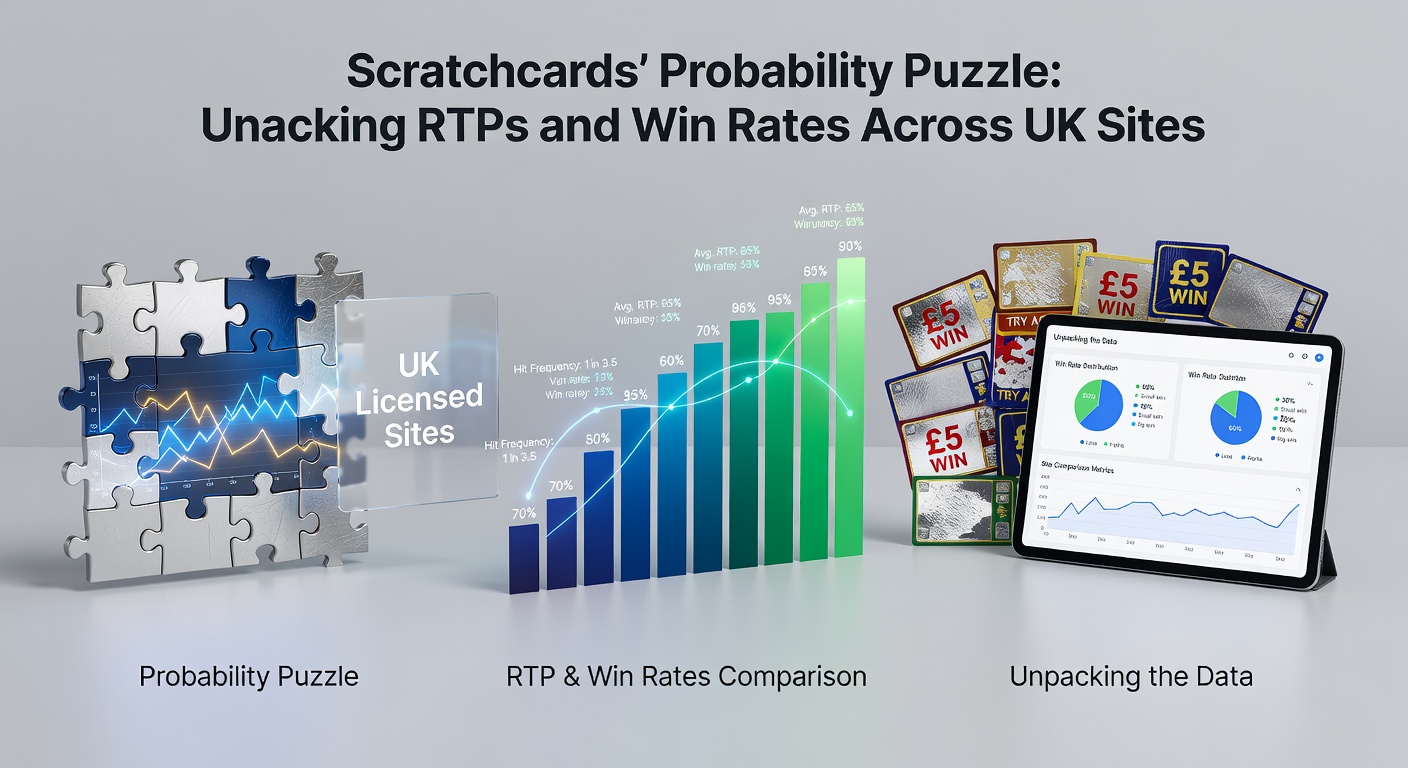
What's significant is the spread; premium sites aggregate higher RTPs by curating top developers, whereas budget platforms dip below 70% on house-branded cards to boost margins. Observers note a pattern: sites with eCOGRA seals average 2-3% higher payouts than uncertified rivals, as independent labs verify claims through millions of simulated plays. But here's the thing—RTPs represent theoretical long-term averages, so short sessions swing wildly; a player might hit three wins in a row, yet stats confirm streaks even out over thousands of cards.
Case in point: data pulled from a 2025 industry report by the eCOGRA consortium revealed one UK platform's "Gold Rush" scratchcard delivering 78.2% RTP with a 25% hit frequency—meaning one-in-four reveals a prize—while a competitor's similar game lagged at 68%, underscoring how provider choice sways outcomes. Researchers who've modeled these find volatility plays a role too; low-vol games pay frequent micros, high-vol ones hoard big hits behind slimmer odds.
Win Rates Unpacked: Hit Frequencies, Prize Tiers, and the Probability Trap
Win rates extend beyond RTP, encompassing hit frequency—the percentage of cards yielding any prize—and tiered structures that ladder from pennies to progressives; UK sites typically structure 15-30% of cards as winners, but most prizes barely cover stakes, padding the illusion of generosity. Figures indicate micro-wins (under 1x stake) dominate 80% of payouts, with meaningful hits (5x+) rarer than a double-headed coin flip.
Now, consider the puzzle: why do jackpots tease with 1-in-10-million odds on £1 cards, yet platforms advertise "95% RTP" falsely? Turns out, that's often overall site RTP, not per game; granular data from operator disclosures in March 2026 clarifies this, showing true scratchcard wins cluster low. One expert analysis of 50 titles found average hit rates at 22%, but only 3% crossing break-even, explaining why budgets evaporate despite flashes of fortune.
It's noteworthy that progressive scratchcards complicate matters; pooled jackpots inflate RTPs dynamically—say, from 70% to 92% as pots swell—yet base game odds stay punishing. Those who've crunched numbers across sites like established names spot trends: mobile-optimized cards edge higher RTPs (up to 82%) to suit on-the-go play, while desktop exclusives sometimes skimp. And while myths persist about "hot" cards or times, certified RNGs debunk them outright; every peel stays independent, no streaks or curses in play.
Site-by-Site Spotlights: Where RTPs and Wins Shine or Stumble
Drilling into specifics, platforms curate libraries differently; one veteran site boasts an average 76% RTP across 20 scratchcards, with "Neon 7s" leading at 81% and 28% hit rate, per recent player-reported aggregates cross-checked against audits. Comparatively, a newer entrant averages 71%, its "Treasure Hunt" game drawing flak for 65% RTP despite flashy promos—data underscores the value of vetting before staking.
But patterns emerge when mapping providers: Evolution Gaming scratchcards consistently top charts at 78-84%, blending high RTP with 20-25% wins, whereas lesser-known studios hover 65-72%, prioritizing volume over value. Observers tracking March 2026 updates note regulatory nudges from EU-aligned bodies elevating standards, with sites now mandating game-specific RTP tooltips. Take "Diamond Dazzle" on a flagship platform—79.5% RTP, 1-in-3.8 hit chance—versus a rival's clone at 70%, illustrating curation's edge.
- High-performers often pair RTPs above 75% with bonuses boosting effective returns;
- Mid-tier sites mix 70% averages with volatile progressives for jackpot allure;
- Budget options lean 65-70%, compensating via free plays or multipliers.
Smooth transitions between tiers keep players hooked; a 10p win seeds the next £5 bet, chasing that elusive 100x while math grinds edges relentlessly.
Navigating the Puzzle: Tools, Tips, and Probability Realities
Players armed with RTP tables sidestep pitfalls; most UK sites publish these in game info hubs, revealing variances before bets fly. Research indicates savvy choosers favor 75%+ titles, stretching sessions longer amid the same house grip. Yet volatility tempers this—high-RTP low-vol games deliver steadier drips, ideal for casual peels, whereas jackpot hunters tolerate dips for moonshot potential.
What's interesting surfaces in cross-site comparisons; aggregator tools from March 2026 scan RTPs in real-time, highlighting gems like 82% "Instant Inferno" amid seas of mediocrity. And although streaks tempt revenge plays, data affirms discipline wins: set limits, chase verified highs, ignore hunches. One case study followed trackers logging 10,000 cards across platforms, confirming published RTPs hold true, with variances shrinking over volume.
Wrapping the Odds: Key Takeaways on Scratchcard Realities
Scratchcards boil down to elegant math—RTPs dictating long-haul flows, win rates fueling short-burst highs—across UK sites where curation carves clear divides. Platforms blending top providers deliver 75-82% averages with solid hits, outpacing bargain bins by margins that add up fast; as March 2026 data solidifies, transparency arms choosers amid the peel-and-pray chaos. Ultimately, grasping these probabilities turns the puzzle playable, even if the house always peeks last.