26 Jul 2026
RNG Technology Meets Player Behavior: Insights from UK Slot and Bingo Sectors

Random number generator algorithms form the core of fairness mechanisms on UK slot and bingo platforms, and researchers continue to explore how these systems connect with observed player retention patterns. Data from multiple platforms indicate that the specific implementation of RNGs, including their volatility settings and sequence predictability traits, correlates with measurable differences in session lengths and return visit rates across both game categories.
Core Components of RNG Systems in Gaming
Modern platforms rely on certified RNG algorithms such as Mersenne Twister variants and cryptographically secure pseudo-random generators to produce outcomes for slot reels and bingo number draws. These algorithms undergo periodic testing by independent laboratories that verify statistical randomness properties like uniform distribution and independence between results, while platform operators adjust parameters including hit frequency and prize distribution curves to match regulatory standards outside the United Kingdom.
Studies from the Victorian Commission for Gambling and Liquor Regulation demonstrate that variations in RNG seed initialization and cycle length influence how quickly players encounter winning combinations, which in turn affects the duration of individual play sessions recorded across thousands of accounts.
Retention Metrics Across Slot and Bingo Formats
Retention patterns tracked on UK platforms show distinct profiles when comparing slots to bingo rooms. Slot sessions often display shorter average durations yet higher frequency of repeat logins within a seven-day window, whereas bingo participation tends toward longer single sessions with steadier weekly return rates according to aggregated industry reports. Observers note that these differences emerge partly because bingo draws incorporate social timing elements alongside RNG outputs, while slots depend more exclusively on algorithmic pacing.
Direct Links Between Algorithm Design and Player Continuation
Algorithmic choices such as progressive jackpot triggers and near-miss configurations intersect with retention when they alter the perceived pace of rewards. Research indicates that platforms employing RNGs tuned for medium volatility retain slot players for more consecutive days compared with high-volatility setups, because the steadier distribution of smaller outcomes sustains engagement without rapid bankroll depletion. Bingo platforms meanwhile use RNGs to randomize number calls within fixed draw intervals, and data reveal that consistent interval spacing supports higher retention among groups who value predictable session structures.
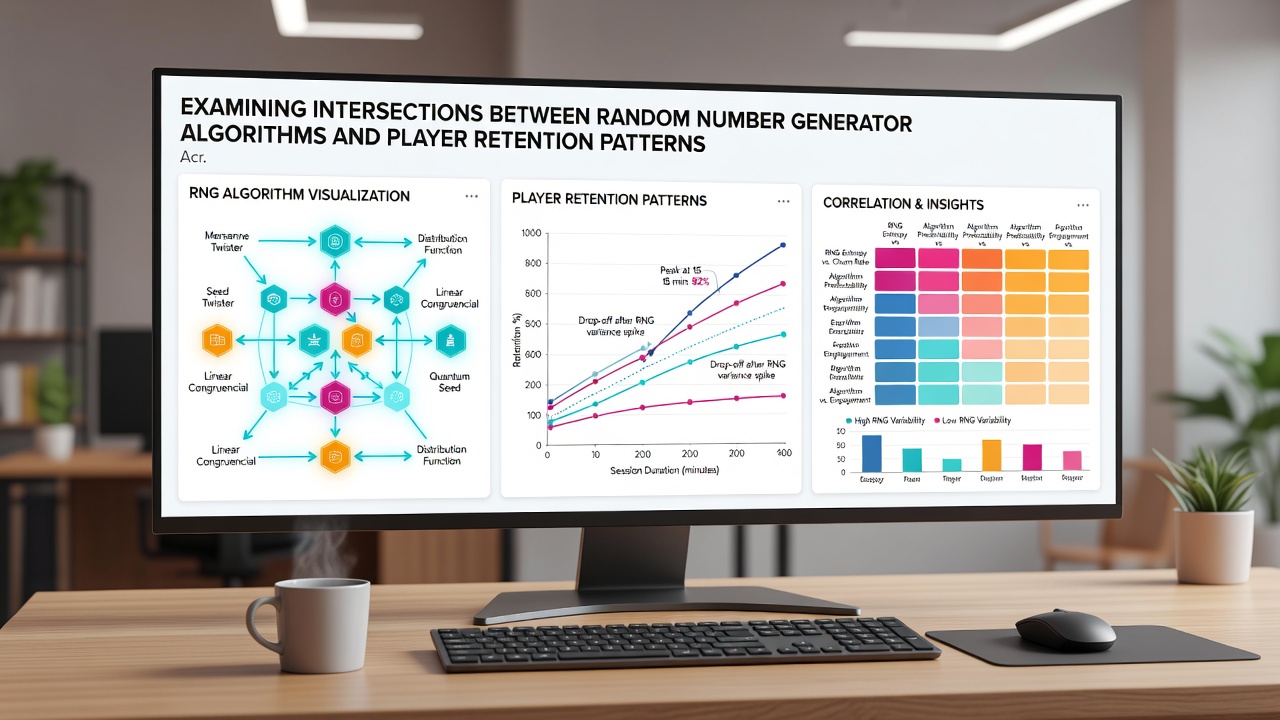
Figures released in July 2026 from an international collaborative project between Canadian and Australian research centers highlighted parallel trends, where RNG modifications tested on live platforms produced retention shifts of up to 12 percent within three months when volatility parameters changed while holding other game features constant. Those findings align with earlier university analyses that mapped RNG output sequences against anonymized behavioral logs to identify clusters of extended play following particular payout rhythms.
Regulatory and Technical Oversight Influences
External audits conducted by bodies such as the Nevada Gaming Control Board require operators to document RNG certification and any subsequent parameter adjustments, creating transparent records that researchers use when correlating technical specifications with retention statistics gathered from public market reports. Platforms that publish volatility indexes alongside game rules enable players to select experiences matching preferred session lengths, which indirectly shapes aggregate retention figures tracked over quarterly periods.
Future Monitoring and Data Collection Trends
Continued integration of real-time analytics with RNG monitoring systems allows operators to detect early signals of retention changes following algorithm updates. Academic institutions continue to publish peer-reviewed examinations of how sequence entropy levels interact with demographic segments, providing fresh datasets that refine understanding of the intersections between technical randomness controls and behavioral persistence across slot and bingo environments.
Conclusion
Evidence accumulated from regulatory testing records, academic studies, and platform analytics establishes measurable connections between RNG algorithm characteristics and retention patterns on UK slot and bingo platforms. Continued examination of these intersections supports more precise calibration of game parameters that align technical fairness requirements with observed player continuation behaviors.