27 Aug 2026
RNG Calibration Examination in Digital Scratch Card Platforms Across Regulated Markets
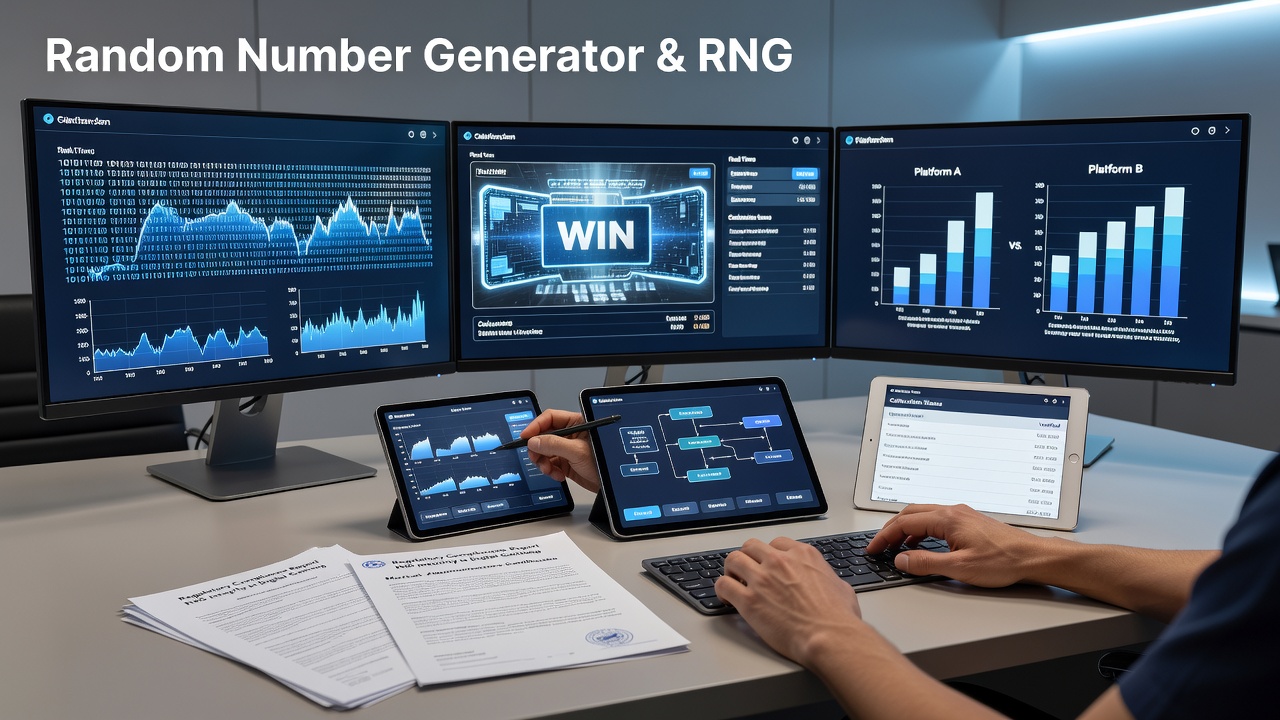
Digital scratch card platforms rely on random number generators to determine outcomes, and calibration processes ensure those generators meet strict technical requirements set by oversight bodies. Regulated markets in North America, Europe, and the Asia-Pacific region maintain separate yet overlapping standards that operators must satisfy before platforms receive approval for public use, and calibration checks form a core part of those approval sequences.
Core Components of RNG Calibration
Calibration begins with hardware or software testing that verifies statistical randomness across millions of simulated draws. Laboratories run chi-square tests, serial correlation checks, and poker hand distribution analyses on sample data sets, then compare results against predefined thresholds that regulators publish in technical appendices. When deviations exceed allowed tolerances, engineers adjust seed values, entropy sources, or algorithmic parameters before resubmission occurs.
Those who oversee certification note that scratch card RNGs differ from slot-machine generators because scratch outcomes must remain fixed once a ticket is purchased. Calibration therefore includes verification that the random sequence is locked at the moment of sale rather than generated on the fly during reveal, and this distinction requires additional timestamp logging and hash-chain validation steps that regulators in multiple jurisdictions now mandate.
Regional Regulatory Approaches
Authorities in Nevada require independent laboratory reports every twelve months plus spot audits when payout ratios shift beyond expected variance bands. Australian state regulators apply similar annual reviews while adding a requirement for source-code escrow that allows rapid re-testing after any software update. Canadian provincial bodies combine both models and request live monitoring feeds that transmit anonymized outcome data directly to oversight dashboards.
According to documentation from the Nevada Gaming Control Board, calibration documentation must include full entropy source descriptions and any post-processing functions applied to raw output. European authorities operating under the Malta Gaming Authority framework add a further layer that demands cryptographic signing of each calibration certificate, creating an auditable chain that traces every approved RNG version back to its initial test date.
Technical Testing Procedures in Practice
Testing facilities begin with a minimum sample of one hundred million outcomes per RNG configuration. Engineers divide this sample into blocks of one thousand and examine each block for uniform distribution across the full range of possible scratch symbols. Any block that shows clustering beyond statistical expectation triggers a deeper review of the underlying pseudo-random algorithm or hardware noise source.

Researchers at institutions such as the University of Nevada, Reno have published papers on entropy measurement techniques that operators now incorporate into routine calibration cycles. These studies demonstrate that hardware-based entropy sources maintain higher long-term stability than software-only methods, yet both require periodic recalibration because environmental factors such as temperature fluctuations can influence hardware noise patterns over time.
August 2026 Developments
During August 2026, several multi-jurisdictional operators completed synchronized calibration updates across their scratch card portfolios after new entropy-testing protocols were released by Canadian and Australian regulators. The updates introduced real-time entropy monitoring that flags degradation within hours rather than weeks, and early data from those platforms indicate reduced variance in reported payout percentages compared with earlier quarterly reports.
Industry associations including the European Gaming and Betting Association have compiled summaries of these updates, noting that the new protocols add roughly two weeks to certification timelines but produce measurable improvements in outcome predictability modeling for compliance teams.
Challenges and Ongoing Adjustments
Platform operators face the practical task of maintaining calibration records across multiple regulatory regimes that update their requirements at different intervals. A single RNG version may need re-testing under Nevada rules every twelve months while simultaneously satisfying annual Australian reviews and ad-hoc Canadian spot checks. Data management systems therefore store version histories, test dates, and laboratory identifiers in formats that allow quick retrieval during audits.
Those who manage these systems report that automated alert functions reduce missed deadlines, yet manual review of statistical reports remains necessary because regulators continue to require human-signed attestations alongside machine-generated data.
Conclusion
Calibration of random number generators for digital scratch cards continues to evolve as regulators incorporate new statistical tools and monitoring capabilities. Platforms operating in multiple jurisdictions must track overlapping requirements while preserving the core guarantee that every outcome remains unpredictable and fairly distributed. Ongoing laboratory work and regulatory updates scheduled through 2027 will likely introduce further refinements to testing frequency and documentation standards.