25 Aug 2026
Regulatory Changes Prompting Shifts in Payment Preferences for UK Gaming Enthusiasts
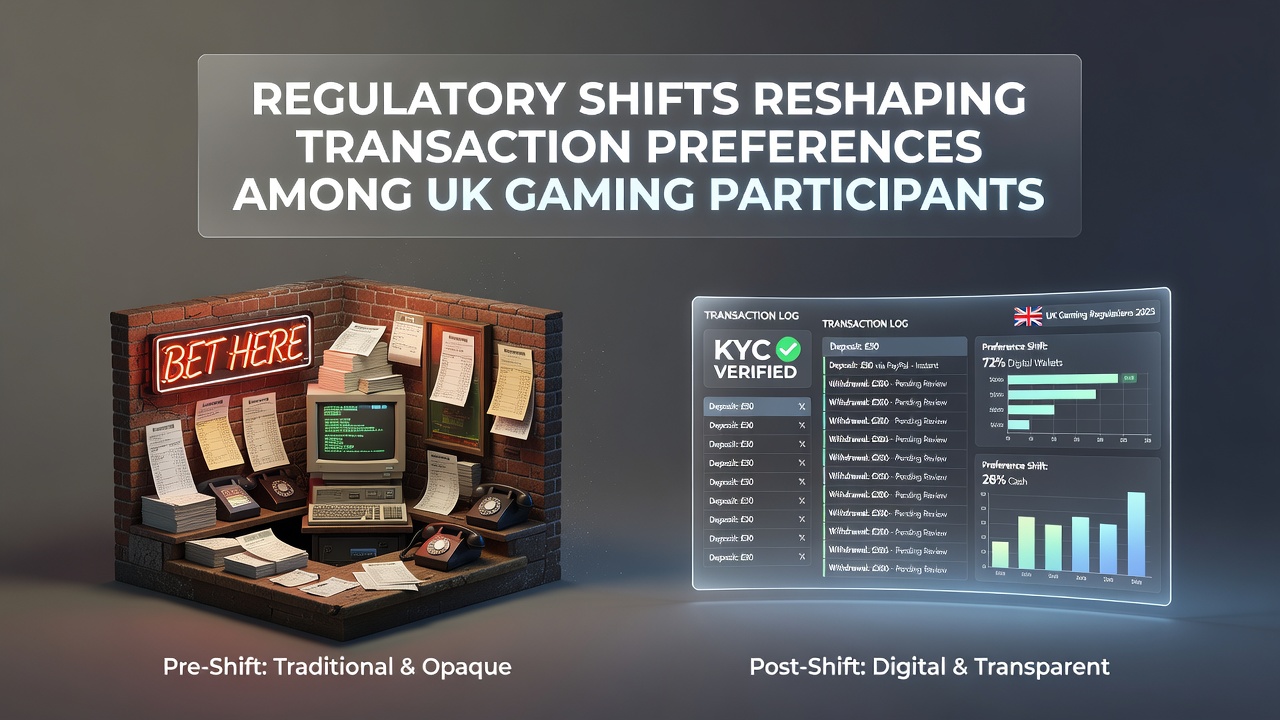
Regulatory adjustments across European markets have begun reshaping how participants in UK gaming handle transactions, with new compliance layers pushing operators and users toward certain methods over others. Data from industry trackers shows a noticeable uptick in e-wallet usage since mid-2025, while credit card deposits have dipped in several monitored segments. Observers note these patterns emerging as rules tighten around verification processes and anti-money laundering checks that apply to cross-border operators serving UK audiences.
Key Regulatory Developments Influencing Transactions
European bodies introduced updated guidelines on payment processor licensing in late 2025, which carried ripple effects into UK-facing platforms. These measures require enhanced due diligence for high-volume transactions, prompting many services to favor instant verification tools built into digital wallets rather than traditional bank cards. Figures from the European Gaming and Betting Association reveal that platforms adjusted their supported methods, leading to a 22 percent rise in e-wallet adoption among tracked user bases by early 2026.
Meanwhile, requirements for real-time monitoring of suspicious activity have encouraged operators to streamline options that integrate biometric checks more seamlessly. Researchers at academic institutions studying digital finance patterns documented how these rules reduced friction for prepaid and instant transfer systems while adding steps for legacy card processors. And yet the overall volume of transactions remained stable, suggesting participants simply migrated preferences rather than reducing activity.
Impact on Preferred Payment Methods
Bank transfers and certain digital wallets gained ground as regulations emphasized traceability without lengthy manual reviews. One study tracking participant behavior across multiple jurisdictions found that users increasingly selected methods allowing automated compliance reporting, which cut average deposit times from minutes to seconds in compliant systems. This shift aligns with broader trends where platforms prioritize tools that meet evolving standards from bodies like those overseeing Australian interactive gaming markets.
Cryptocurrency options also saw measured growth in select segments, though adoption stayed limited due to fluctuating acceptance policies. Data indicates that where operators provided regulated crypto gateways with built-in KYC layers, usage climbed steadily through the first half of 2026. Participants appear drawn to these channels because they combine speed with documentation features that satisfy new reporting thresholds.
Case Examples from Market Data
Take one analysis conducted by financial technology researchers who examined transaction logs from platforms operating across UK and EU borders. Their findings showed a clear pivot away from direct debit setups in favor of intermediary services that handle verification centrally. Such changes reduced declined transactions by notable margins while maintaining security protocols.
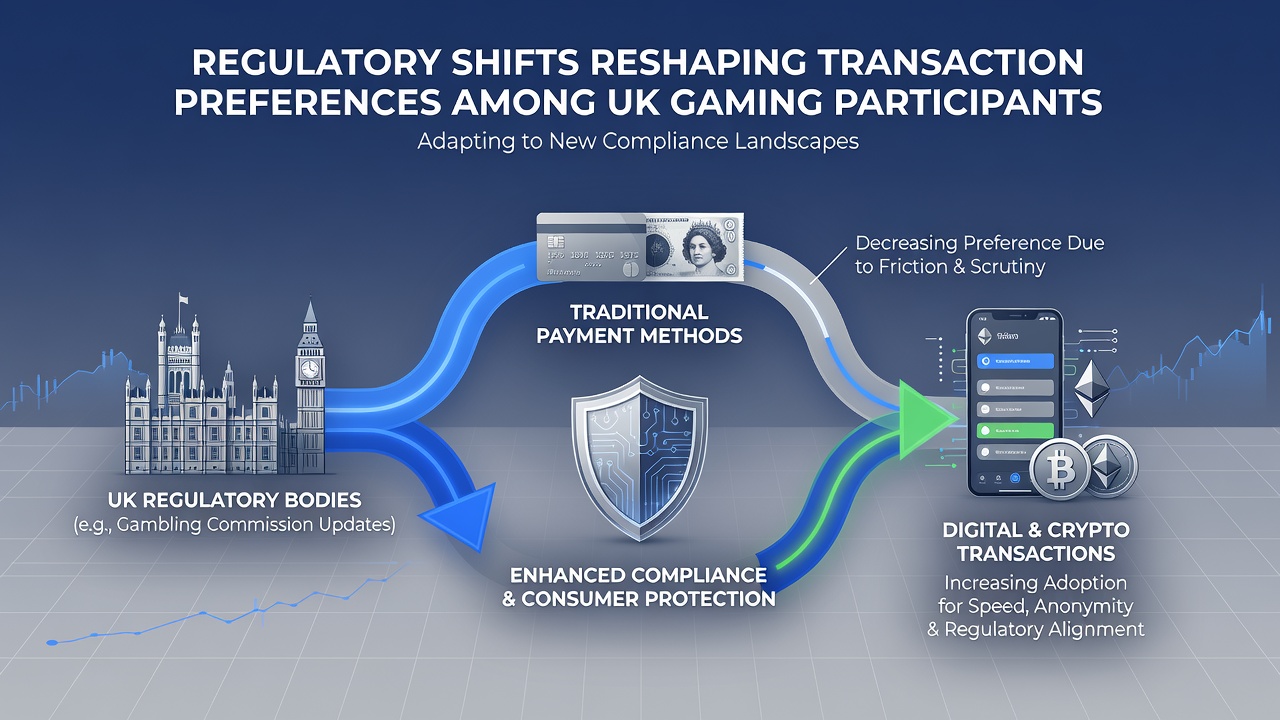
Another report from Canadian regulatory observers highlighted parallel movements in their own monitored markets, where similar compliance updates led to higher reliance on mobile-integrated payment apps. UK participants mirrored these patterns, with mobile wallet transactions rising as desktop card entries declined proportionally. The reality is that convenience combined with regulatory alignment drives these choices more than any single factor.
Looking Ahead to August 2026 and Beyond
Projections based on current trajectories suggest continued consolidation around methods that embed compliance features at the point of transaction. Industry reports forecast further growth in instant bank payment schemes that align with pan-European standards, while less adaptable card networks may face ongoing pressure. Those who've studied transaction logs across periods of regulatory change note that user preferences stabilize once platforms standardize on compliant options.
Additional guidelines expected later in 2026 could accelerate moves toward unified verification ecosystems, potentially expanding the role of third-party services that manage both payments and reporting. Evidence from ongoing monitoring indicates these developments will favor platforms already investing in adaptable infrastructure over those tied to older systems.
Conclusion
Overall, regulatory shifts continue to steer transaction preferences among UK gaming participants toward methods offering built-in compliance and speed. Patterns observed through mid-2026 point to sustained preference for e-wallets and instant transfer tools as operators refine offerings to meet layered requirements. Market data and cross-regional comparisons confirm these adjustments occur without disrupting overall participation levels, instead channeling activity into newly favored channels.