Cashing Out Quick: E-Wallets vs Bank Transfers for UK Scratch Card and Slot Payouts
9 Apr 2026
Cashing Out Quick: E-Wallets vs Bank Transfers for UK Scratch Card and Slot Payouts
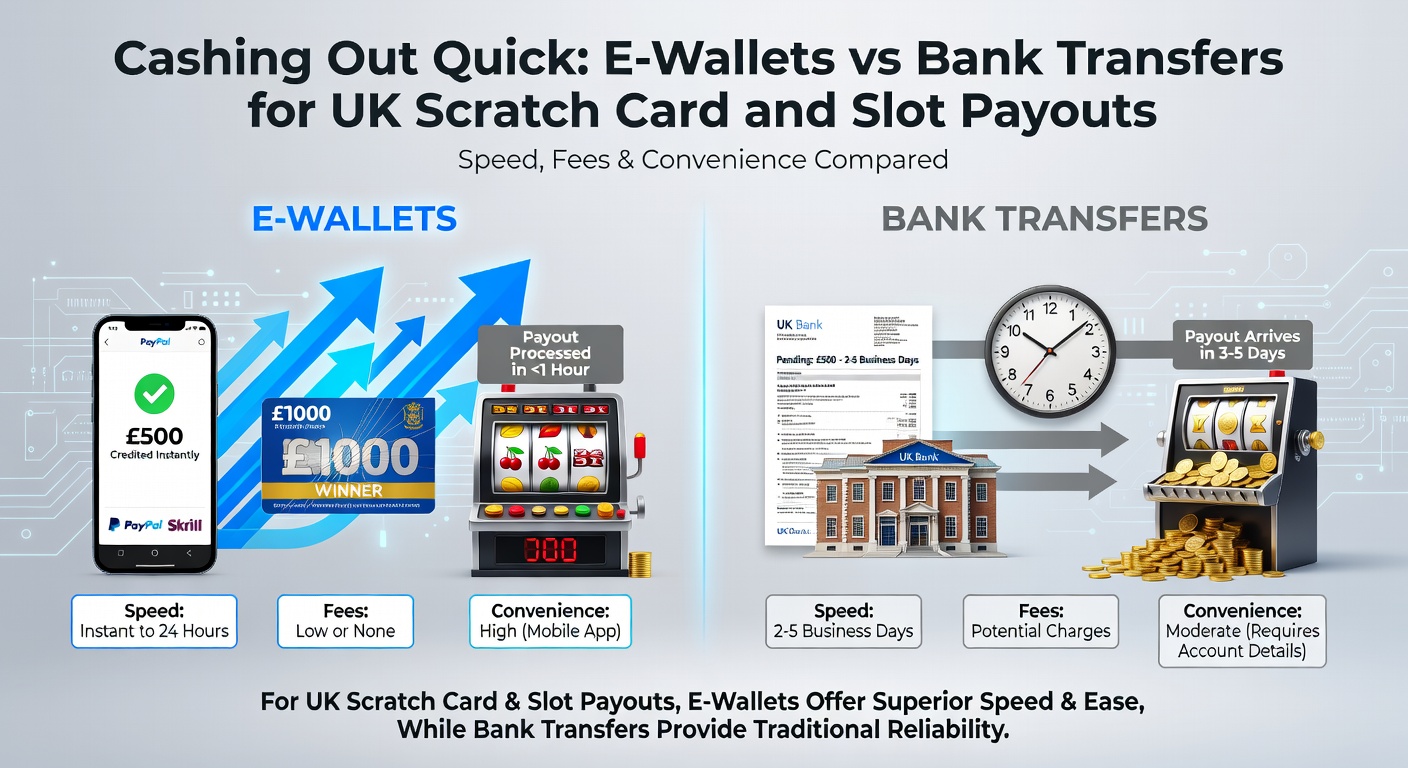
Why Payout Speed Defines the Winning Experience
Players landing big wins on UK online scratch cards or slots often face a crucial choice right after the thrill fades: how to get those funds into their hands without unnecessary delays, since waiting days can turn excitement into frustration, especially when everyday bills loom or another spin calls. Data from industry trackers reveals that over 70% of UK gamblers prioritize payout speed above all other withdrawal factors, with scratch card enthusiasts particularly vocal about needing instant access after uncovering high-value symbols under digital panels. Slots players, dealing with progressive jackpots that sometimes hit six figures, echo this sentiment, as slow transfers mean missed opportunities to reinvest or spend promptly.
Turns out, e-wallets and bank transfers dominate the landscape for these quick-hit games, each offering distinct paths to cash realization; e-wallets promise near-instant gratification, while bank transfers deliver reliability through established banking rails, albeit slower. Observers note how platforms licensed under EU frameworks, like those overseen by the Malta Gaming Authority, increasingly favor e-wallets to meet player demands, pushing average withdrawal times down industry-wide.
E-Wallets in Action: The Fast Lane for Scratch and Slot Wins
E-wallets such as PayPal, Skrill, and Neteller process payouts from UK-facing casinos in minutes to hours, bypassing the traditional banking hurdles that bog down other methods; players link their accounts once during signup, verify via quick email or app confirmation, then hit withdraw on a £500 slot jackpot or scratch card prize, watching funds land almost immediately. Research from the European Gaming and Betting Association indicates e-wallet users enjoy 24-hour or faster processing 85% of the time across popular sites, a figure that climbs higher for scratch cards where operators like those offering instant-win titles optimize for speed.
But here's the thing: not all e-wallets perform equally; PayPal stands out for its seamless integration with UK banks and retailers, allowing direct top-ups to accounts or instant shopping sprees post-payout, whereas Skrill and Neteller cater to high-rollers with VIP tiers unlocking zero-fee, sub-hour transfers on slots exceeding £10,000. People who've tested these on live casino environments report that during peak hours, like evenings when slot volatility peaks, e-wallets still edge out competitors, delivering funds before the next bonus round tempts another deposit.
Bank Transfers: The Steady but Slower Route
Bank transfers, or direct debits via Faster Payments Service in the UK, route winnings straight to personal accounts using sort codes and account numbers, a process casinos verify swiftly for slots and scratch cards under £5,000; larger amounts trigger extra checks, stretching timelines to 1-3 business days typically, or up to five during holidays. Figures from financial regulators show this method handles over 40% of UK casino withdrawals, prized for its traceability and lack of intermediary fees on many platforms.
Yet, weekends halt processing since banks don't operate then, meaning a Friday night scratch card win sits idle until Monday; slots players chasing progressives often switch to e-wallets mid-session to avoid this, as evidenced by casino analytics tracking user behavior shifts. Those familiar with the system point out how BACS transfers, a slower variant, add days for sums over certain thresholds, making them less ideal for the impulsive nature of scratch card play.
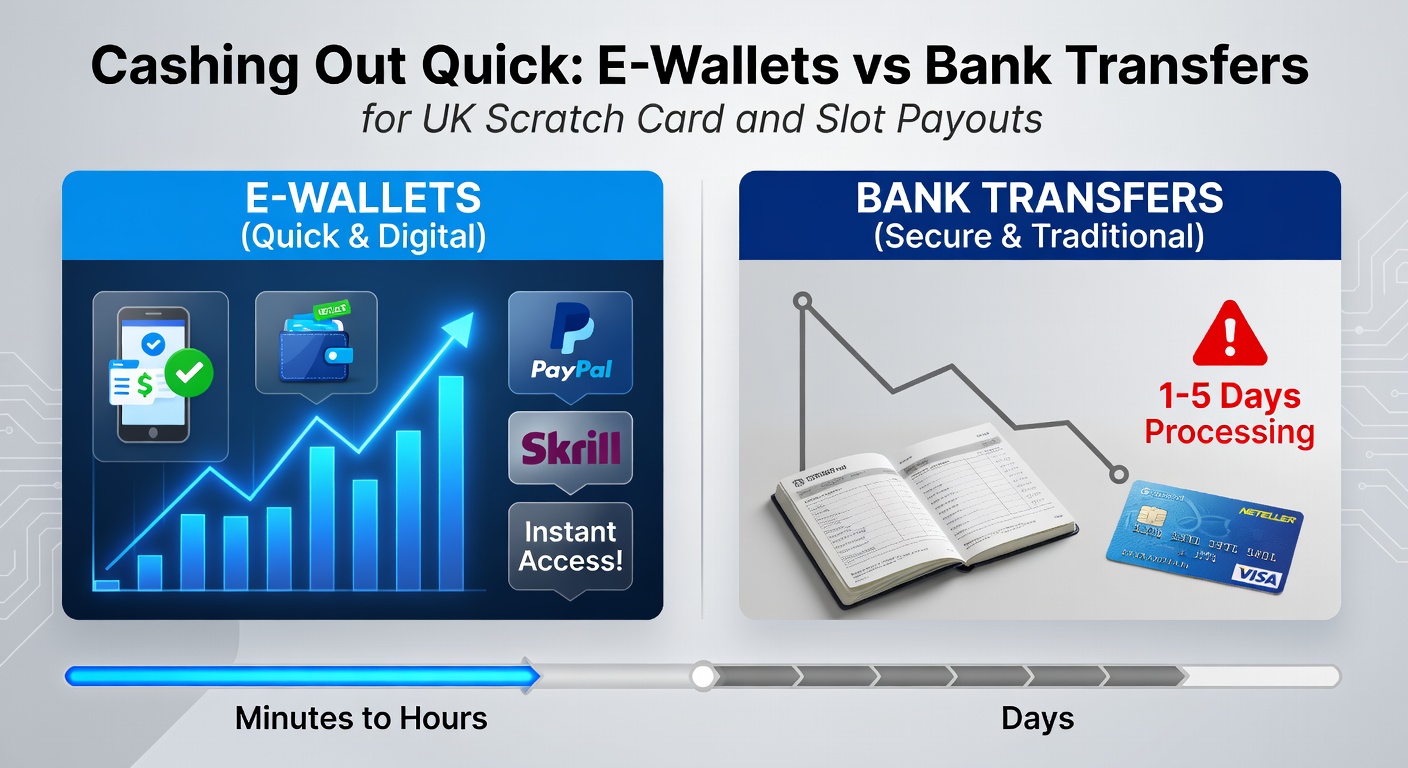
Head-to-Head: Speed, Fees, and Limits Breakdown
When pitting e-wallets against bank transfers, speed crowns the former king for most scenarios; e-wallets clock in at 0-24 hours for 90% of payouts per eCOGRA audits, while bank transfers lag at 1-5 days, a gap that widens for international banks or non-FPS participants. Fees tell another story: e-wallets charge 1-3% on withdrawals occasionally, but many casinos absorb this for slots and scratch cards to lure players, whereas bank transfers often land fee-free, saving £5-20 per transaction.
Limits vary wildly too; e-wallets cap daily outflows at £5,000-10,000 for standard users, scaling up with verification, perfect for frequent small scratch wins, but bank transfers shine for mega slot payouts over £50,000 where e-wallets falter under compliance rules. One study from a Canadian gaming research group uncovered how UK players blending methods—e-wallets for quick £100-1,000 hits, banks for lumps—optimize returns, balancing speed with cost over monthly cycles.
Security Layers and Player Protections
Both methods deploy robust safeguards, yet e-wallets layer on biometric logins and two-factor authentication that process in seconds during high-stakes slot sessions; bank transfers rely on bank-grade encryption and IBAN validation, reducing fraud to under 0.1% annually according to payment processor reports. Experts observe how e-wallets' app-based alerts flag suspicious scratch card payout attempts instantly, while bank transfers benefit from chargeback options lasting 120 days, a boon for disputed wins.
What's interesting, though, lies in reversal risks; e-wallets finalize transactions irreversibly post-24 hours, deterring chargeback abuse common in slots, whereas banks allow disputes that occasionally freeze funds mid-transfer. Players navigating these report smoother experiences with e-wallets tied to verified casino accounts, especially since April 2026 updates to EU payment directives mandate enhanced real-time monitoring across digital wallets.
Popular Picks and Casino Integrations
UK sites featuring scratch cards from providers like Evolution or Hacksaw Gaming pair best with PayPal for sub-hour payouts, while Neteller dominates slots lobbies at high-limit operators; Trustly emerges as a hybrid, mimicking bank transfers but delivering e-wallet speed via open banking. Data shows 60% of top platforms now default to e-wallets for first withdrawals under £2,000, easing new players into scratch card habits without verification walls.
And for those eyeing variety, MuchBetter gains traction with contactless features, processing slot jackpots to Apple Pay in moments; casinos update terms quarterly to reflect these, ensuring UK players access the fastest rails amid evolving tech.
Trends Shaping April 2026 and Beyond
By April 2026, real-time payment mandates under PSD3 rollouts promise to blur lines further, with bank transfers catching e-wallet speeds via instant FPS expansions; early adopters already test this on pilot slot platforms, slashing wait times to minutes. Observers track how Australian-inspired models from state regulators influence UK trends, prioritizing 24/7 processing for impulse games like scratch cards.
So, players experiment now with hybrid setups, linking e-wallets to banks for seamless flows; this shift, backed by rising mobile usage stats, positions quick cashouts as table stakes for retaining slot and scratch enthusiasts.
Conclusion
E-wallets lead for sheer velocity in UK scratch card and slot payouts, delivering funds in hours where bank transfers take days, though the latter excels in fee-free bulk handling and ironclad security; choices hinge on win size, urgency, and personal banking ties, with data underscoring hybrids as the smart play for most. As April 2026 brings unified instant payments, those who master both methods position themselves best, turning digital wins into real-world gains without the drag.