7 Jul 2026
British Players Blend Poker Tactics With Online Scratch Card Play
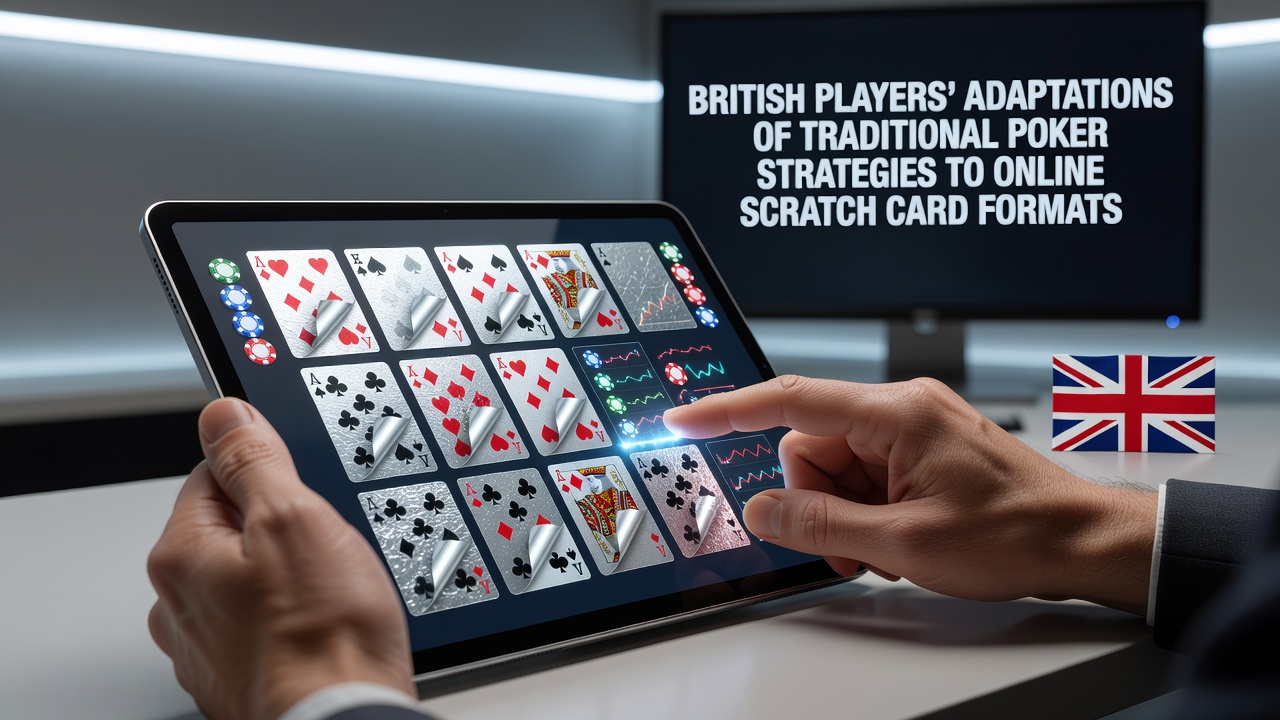
Core Poker Principles Meet Instant-Win Mechanics
British players have carried over several established poker concepts when they approach online scratch cards, particularly those focused on expected value calculations and structured session limits, while the instant-reveal format demands adjustments because outcomes resolve in seconds rather than through multiple betting rounds. Observers note that bankroll segmentation techniques refined at poker tables translate directly, with many participants allocating fixed percentages of their funds to batches of cards rather than chasing single large wins. This mirrors multi-table tournament bankroll rules where preserving capital across numerous entries takes priority over any individual result.
Probability assessment also shifts because scratch card return-to-player figures appear on provider information pages and licensing disclosures, allowing players to compare titles the same way they once scanned poker variant house edges. Data compiled by industry analysts in early 2026 shows increased traffic on scratch card sections of UK-licensed platforms during periods when poker traffic dips, suggesting deliberate cross-format rotation rather than random selection.
Session Management and Tilt Avoidance
Poker players who developed strict stop-loss protocols now apply identical cut-offs to scratch card sessions, typically ending play after a predetermined number of cards or a set monetary threshold. Researchers tracking behavioural patterns across European markets recorded fewer extended losing streaks among users who imported these self-imposed boundaries from poker environments. The rapid pace of scratch cards makes emotional control harder, yet the same breathing exercises and break schedules that poker professionals recommend continue to appear in player forums and strategy discussions.
What's notable is the adaptation of hand-range thinking into card-selection filters, where users mentally rank available games by volatility and prize distribution before committing funds. Higher volatility titles receive smaller allocation percentages, echoing the way experienced players tighten ranges in high-stakes cash games. This filtering process occurs before any purchase, reducing exposure to titles whose prize ladders do not align with pre-set risk parameters.
Information Gathering and Record Keeping
Many British participants maintain detailed logs of scratch card purchases, mirroring the hand histories kept by online poker users. These spreadsheets track win frequency, average return per card, and time of day, creating datasets that inform future selections. Academic papers on gambling behaviour published through Canadian research institutions have highlighted similar record-keeping habits among players who previously competed in poker tournaments, noting that such documentation correlates with steadier long-term results across game types.

Information from regulatory disclosures in multiple jurisdictions further supports this trend. Figures released by the Nevada Gaming Control Board in mid-2026 indicated rising interest from international users in games that publish detailed prize tables, a feature that allows the same analytical approach once reserved for poker odds charts. Players cross-reference these tables against their own historical data before deciding which batches to purchase.
Community Knowledge Transfer
Online discussion groups originally formed around poker strategy have expanded threads dedicated to scratch card probability mapping, with moderators enforcing the same evidence-based posting rules that govern poker hand analysis. Participants share anonymised result sheets and debate optimal batch sizes using terminology borrowed directly from tournament variance discussions. This knowledge transfer accelerated during July 2026 when several major platforms introduced new scratch card titles with transparent prize structures, prompting immediate comparisons to existing poker variance models.
Those who've studied both formats observe that the social aspect of poker study groups survives the transition, even though scratch card play itself remains solitary. Regular video calls and shared documents allow groups to refine collective selection criteria, applying the same collaborative review process once used for reviewing tournament final tables.
Regulatory Context and Platform Features
European regulatory updates effective in 2026 required clearer display of return percentages on all instant-win products, a change that facilitated the poker-style analysis already underway among British users. Platforms responded by adding sortable filters that list games by volatility and average prize, features requested in player feedback channels dominated by former poker participants. These tools echo the sort functions available on poker tracking software, allowing rapid comparison across hundreds of titles without manual calculation.
Industry reports from the European Gaming and Betting Association confirm that session-duration data collected in the first half of 2026 showed shorter, more controlled play periods among accounts that also held active poker histories. The pattern suggests that established self-regulation habits transfer effectively even when game mechanics differ substantially.
Conclusion
British players continue to refine these adaptations as new scratch card formats appear, integrating established poker disciplines around bankroll control, record keeping, and probability comparison into a format defined by instant outcomes. The result is a hybrid approach that applies structured decision-making to games once considered purely random, supported by transparent data releases and community knowledge networks that operate across both formats.